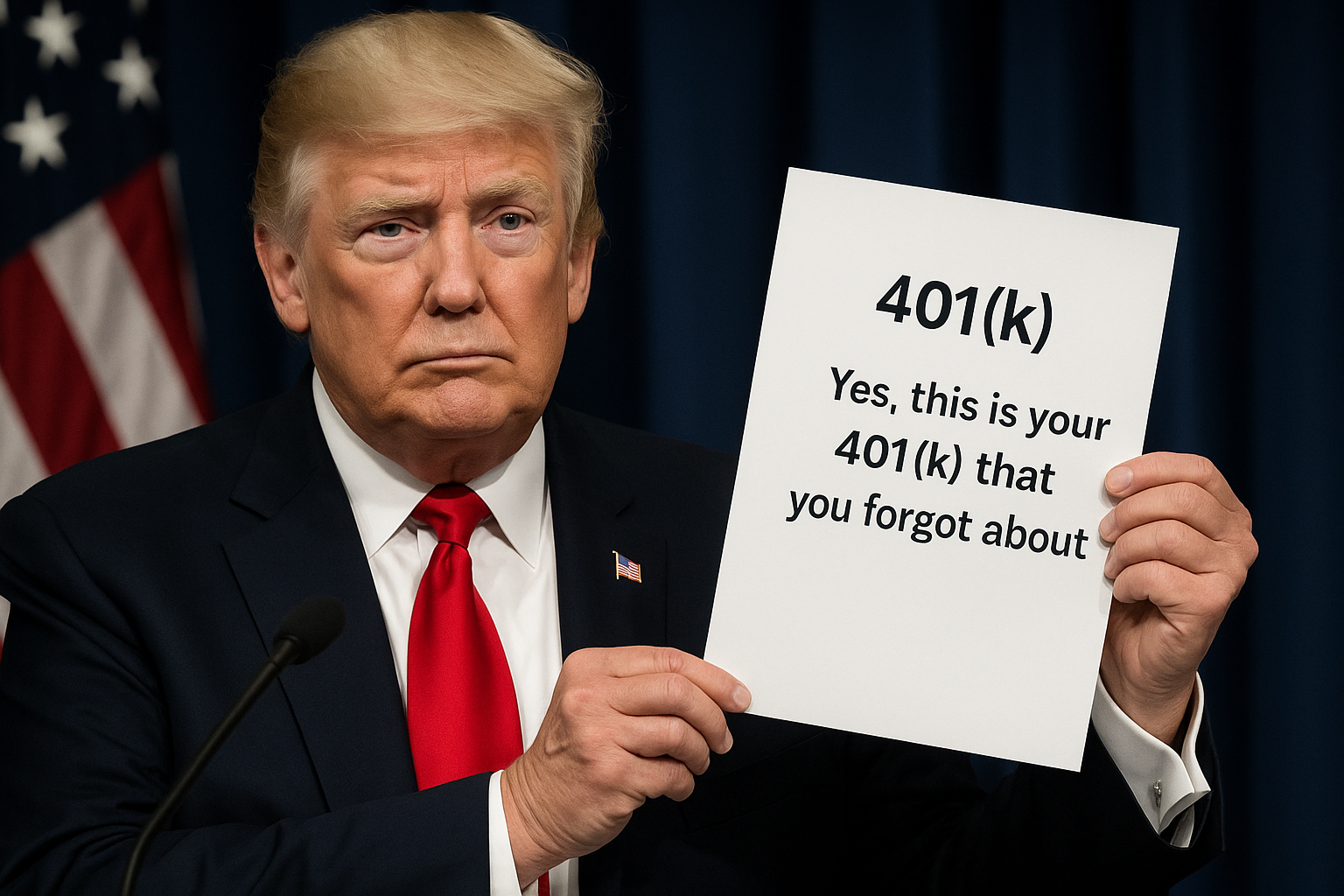
If you have worked more than one job in your career, chances are you have an old 401(k) still sitting with a former employer. Maybe it is collecting dust. Maybe you have forgotten it exists entirely.
Thanks to recent regulatory changes, including updates from SECURE 2.0, those "out of sight, out of mind" accounts might suddenly matter more than you realize. Here is what is changing and why it affects old 401(k) plans.
New Investment Options Come With New Risks
Recent guidance has opened the door for 401(k) plans to offer alternative assets like private equity, real estate, and even cryptocurrency. That may sound exciting, but there are real trade-offs.
- These investments often carry higher fees and more risk than a typical index fund.
- They can be illiquid, meaning your money is locked up for years.
- Older plans are not always set up to manage them well.
If your old 401(k) adopts new investment options, the risk profile of your account could shift without you realizing it.
The Catch-Up Contribution Shake-Up
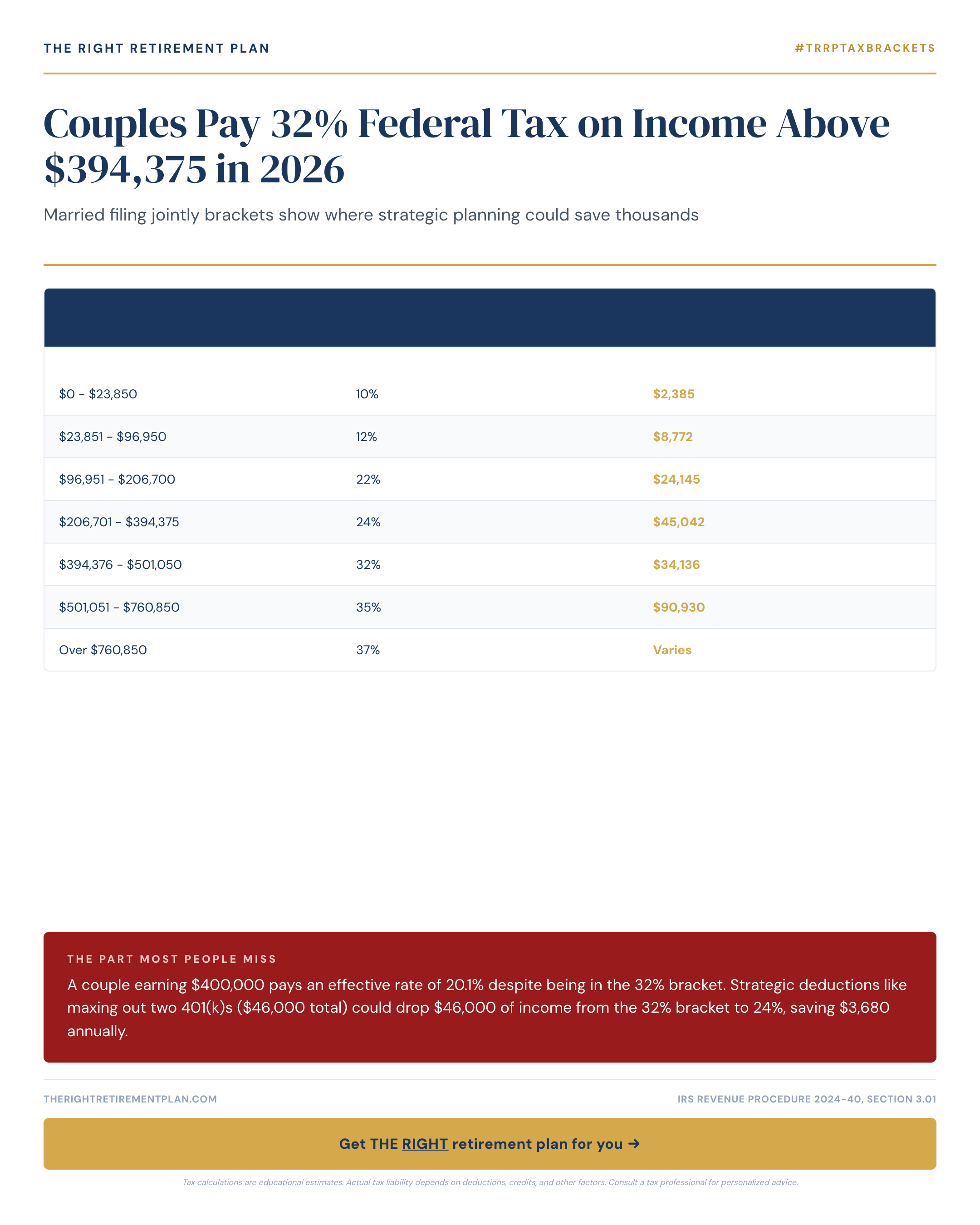
If you are between ages 60 and 63, you can now contribute up to $8,000 in extra catch-up contributions to your 401(k) on top of the standard $24,000 limit for 2026. That is a meaningful boost for anyone behind on retirement savings.
But here is the curveball. Starting in 2026, if you earn more than $145,000 in FICA wages, those catch-up contributions must go into a Roth (after-tax) account. This changes the tax benefits of saving significantly. If your old 401(k) gets merged or reactivated, you could face this requirement unexpectedly.
Older Plans Do Not Automatically Update
New 401(k) plans are required to auto-enroll employees starting at 3%, with annual increases up to at least 10%. They also include automatic portability features that move small balances when you change jobs. These are smart improvements.
But older plans do not have to follow suit. If your old 401(k) is not actively maintained, you could be stuck with high fees, outdated fund lineups, and no easy way to consolidate.
What You Can Do Right Now
- Find every old 401(k). Many people have lost track of accounts worth tens of thousands of dollars.
- Review your investments. Look for high expense ratios, poor performance, or a risk level that no longer matches your goals.
- Consider a rollover. Moving old accounts into an IRA or your current employer plan can give you more control, lower fees, and better tax planning flexibility.
- Plan for the 2026 Roth rule. If you are in that 60 to 63 age bracket, coordinate your contribution strategy now before the Roth-only catch-up requirement takes effect.
The Right Retirement Plan starts with education. If you want to see where your plan stands, take the free Retire Ready Score.