Every week, families across the country discover the same painful truth: their estate plan is outdated, incomplete, or missing entirely. A son finds his parents' only will was drafted 40 years ago. A daughter cannot make medical decisions for her mother with dementia because no health care directive exists. A recent divorcee realizes assets are still set to pass to an ex-spouse.
Different stories, same problem. When estate planning basics are neglected, families end up in court, assets get tied up, and wealth is lost to taxes, fees, or the wrong hands.
The Core Documents Everyone Needs
At a minimum, every adult should have these in place:
- Will: Directs how assets are distributed and names guardians for minor children.
- Durable Power of Attorney (POA): Appoints someone to manage financial and legal matters if you become incapacitated.
- Health Care Proxy or Advance Directive: Ensures your medical wishes are respected and prevents family conflict during a crisis.
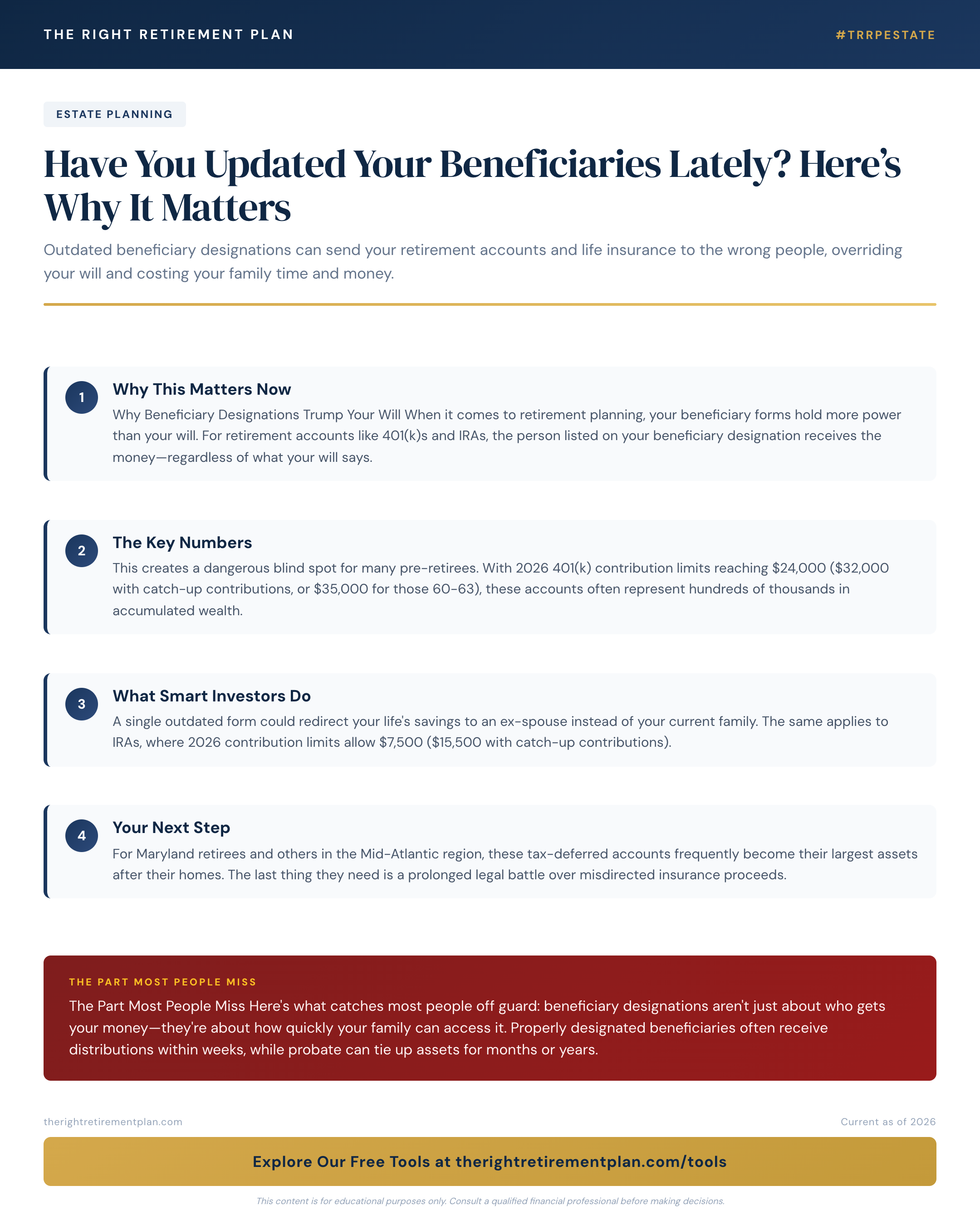
- Beneficiary and Contingent Beneficiary Designations: Must be kept current on retirement accounts, life insurance, and bank accounts. These designations override your will, which makes them one of the most dangerous things to forget.
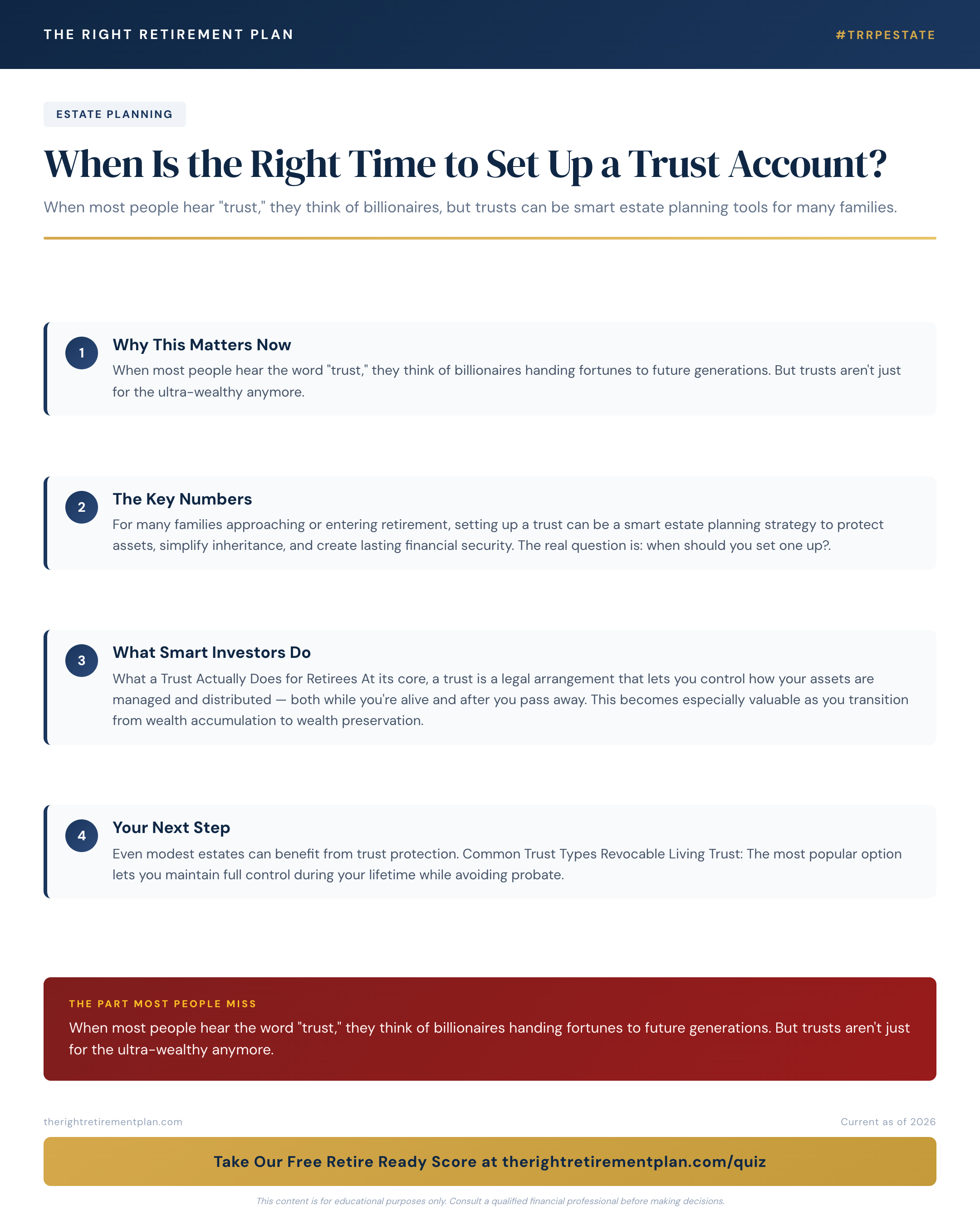
For households with significant assets or complex situations, trusts add another layer of protection. A revocable living trust avoids probate and keeps transfers private. An irrevocable trust is harder to change but offers tax advantages and creditor protection. With the 2026 federal estate tax exemption at $13.99 million per person, irrevocable trusts are especially relevant for larger estates and business owners looking to minimize exposure.
Why Updating Your Plan Matters More Than Creating It
Having documents is step one. Keeping them current is step two. Review your estate plan whenever life changes, including:
- Marriage or divorce
- Birth of children or grandchildren
- Business growth or ownership changes
- Health events or major financial shifts
An outdated will or a retirement account still listing an ex-spouse as beneficiary is a ticking time bomb. Many fiduciary advisors recommend a full review at least every three to five years, even if nothing obvious has changed.
Business owners face additional considerations. Succession planning, buy-sell agreements funded by insurance, trust structures for company shares, and liquidity planning are all essential. Without these steps, a thriving business could be forced into a fire sale just to cover taxes and expenses.
The Right Retirement Plan starts with education. If you want to see where your plan stands, take the free Retire Ready Score.